
Appearance:
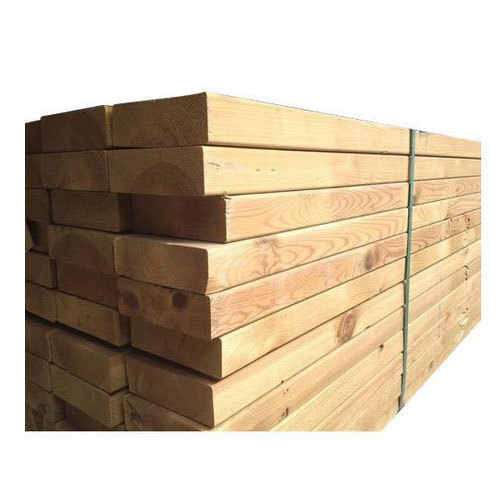
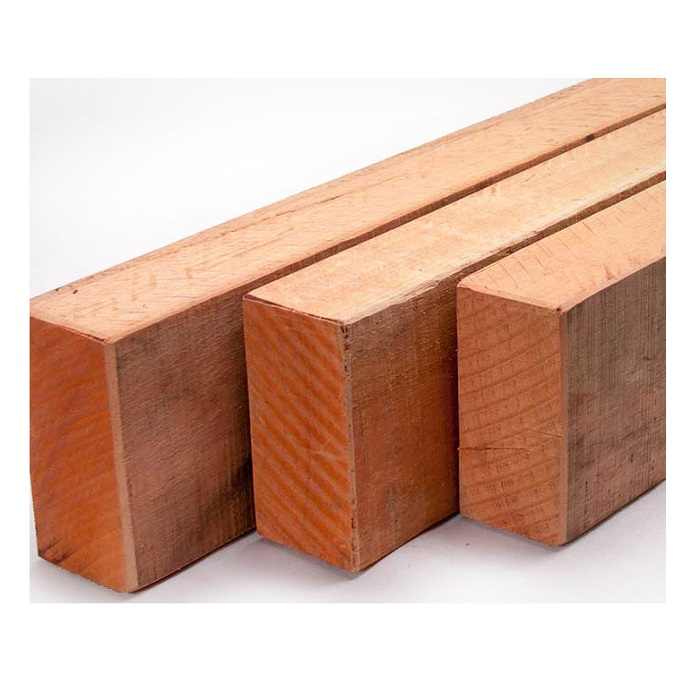
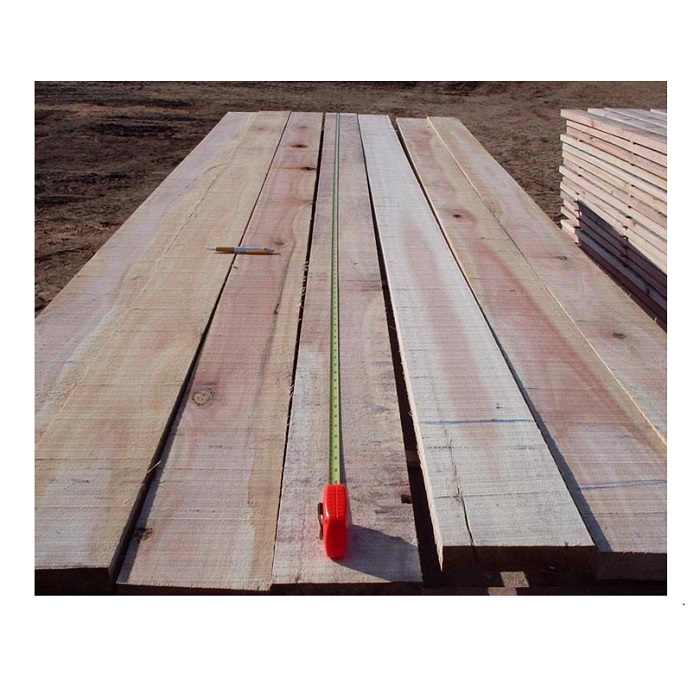
- Color: Varies by species but generally ranges from pale cream to rich reddish-brown. Over time, the color may deepen with exposure to light and air.
- Grain: Often interlocked or wavy, creating attractive and distinctive patterns.
- Texture: Fine to medium, with a natural sheen.
Types of Eucalyptus Lumber:
- Eucalyptus Grandis (Rose Gum): Light pink to reddish-brown, commonly used for furniture and paneling.
- Eucalyptus Globulus (Blue Gum): Dense and durable, often used in construction.
- Tasmanian Oak: A term for several eucalyptus species in Australia, valued for its light color and uniform grain.
- Ironbark (Eucalyptus spp.): Exceptionally hard and durable, suitable for heavy-duty applications like decking and outdoor furniture.
Workability:
- Eucalyptus can be challenging to work with due to its density and interlocked grain, which may cause tearing during machining.
- Pre-drilling is often required for nailing or screwing.
- It finishes beautifully, taking stains, oils, and paints well, although its dense surface may require careful sanding.
Durability:
- Eucalyptus is a durable hardwood with high resistance to wear and impact.
- Many species are naturally resistant to decay and termites, making them suitable for outdoor use.
- Proper seasoning is essential to minimize shrinkage and movement, as eucalyptus can have a high moisture content when freshly cut.
Common Uses:
- Furniture: Dining tables, chairs, and cabinets.
- Flooring: Eucalyptus hardwood flooring is prized for its strength and attractive finish.
- Outdoor Applications: Decking, fencing, and garden furniture, particularly in weather-resistant species.
- Plywood and Veneers: Frequently used for engineered wood products.
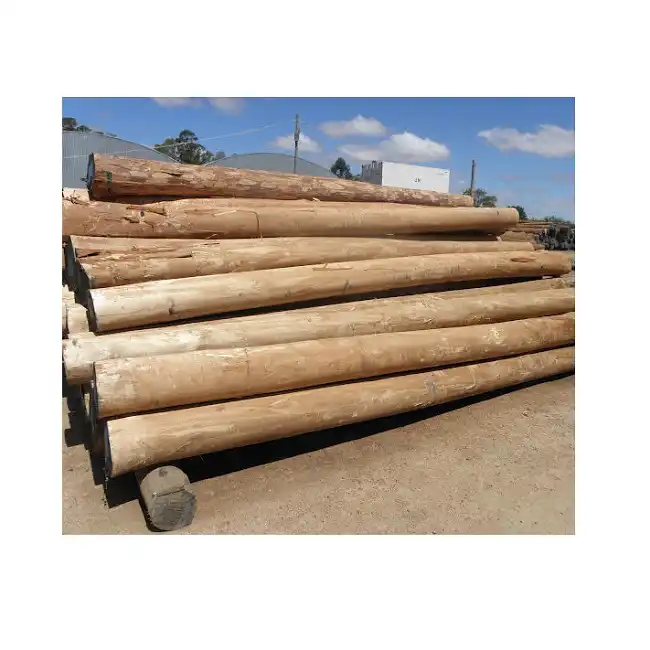
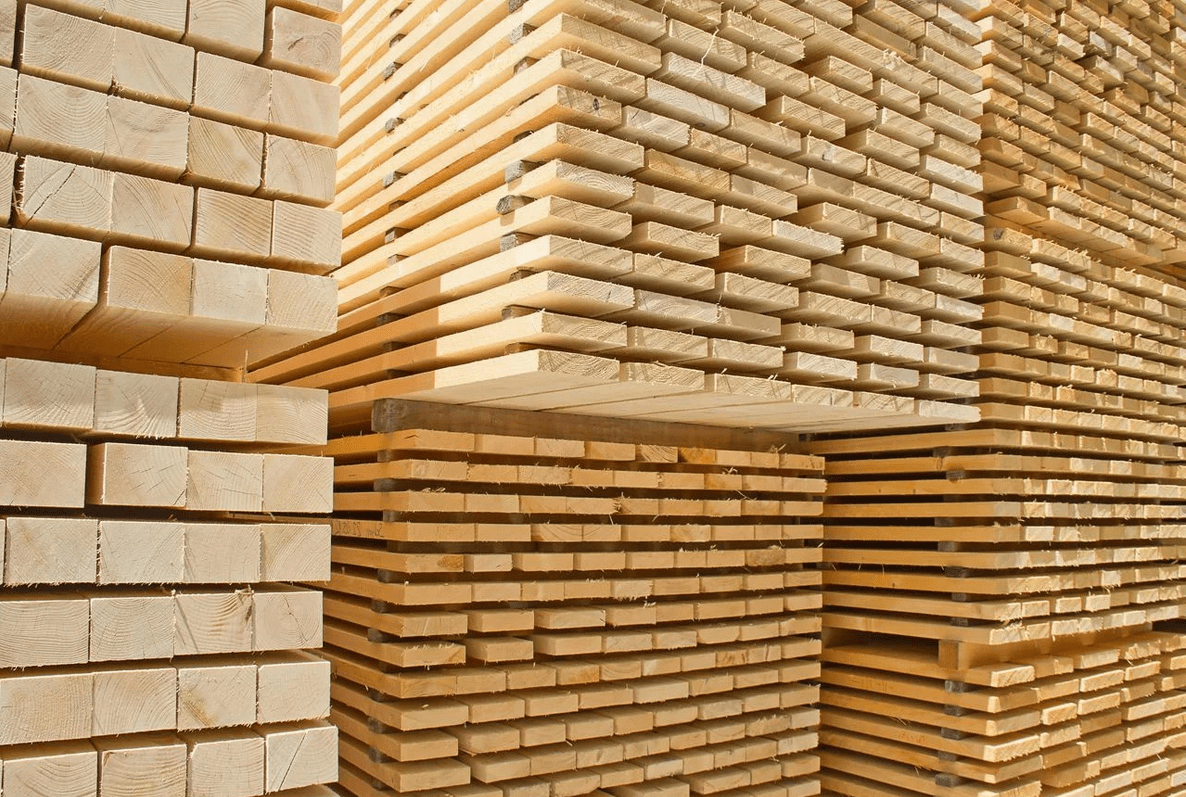
- Construction: Beams, posts, and railroad ties in some regions.
Advantages:
- Strong and durable, comparable to other high-end hardwoods.
- Attractive grain and color variations.
- Sustainable when sourced from responsibly managed plantations.
- Suitable for both indoor and outdoor applications with proper treatment.
Environmental Considerations:
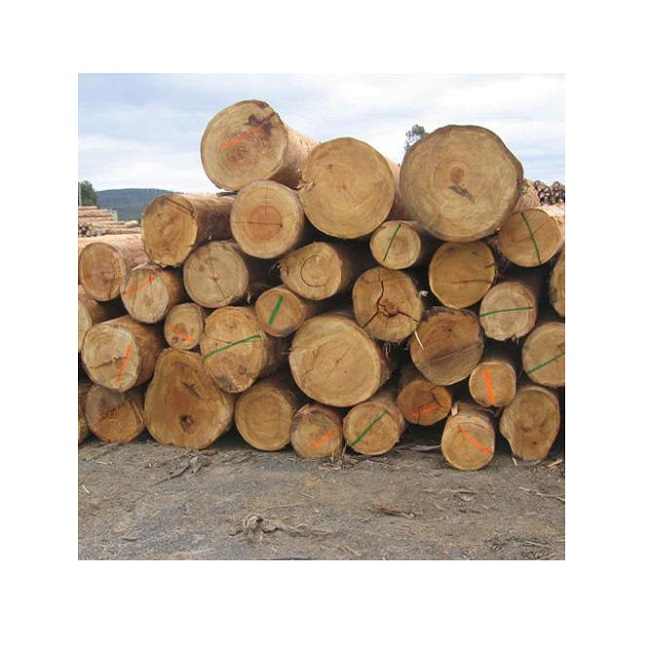
- Eucalyptus trees grow quickly and are often plantation-grown, making them a renewable resource.
- Some concerns exist over the ecological impact of eucalyptus plantations, particularly in non-native regions. Look for certifications like FSC or PEFC to ensure sustainability.
Eucalyptus lumber’s combination of beauty, strength, and versatility makes it a valuable material for a wide range of projects, from elegant furniture to robust outdoor structures.
Reviews
There are no reviews yet.