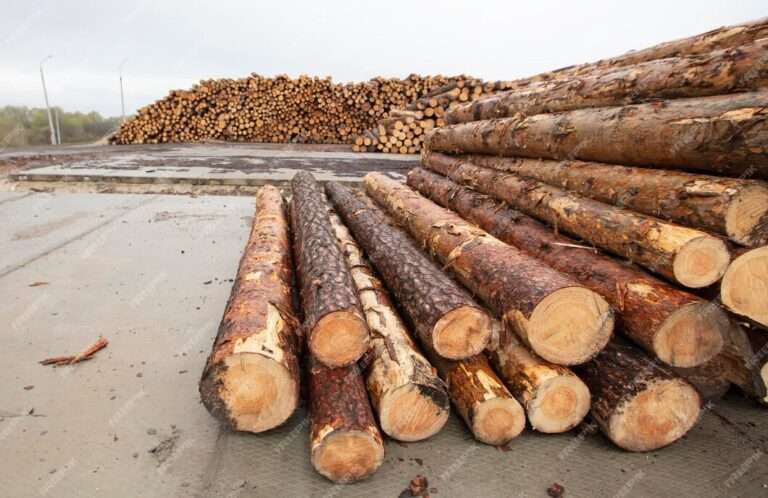
Wood Processing
TEOFLOR SOC LDA - Wood Processing
Timber wood processing refers to the various stages and techniques involved in converting raw logs into usable wood products for construction, furniture, and other applications. It includes harvesting, milling, seasoning, and finishing. The process ensures that the timber meets required standards of quality, durability, and usability.
Stages of Timber Wood Processing
1. Harvesting:
- Tree Selection: Mature and healthy trees are selected for felling.
- Cutting: Trees are felled using chainsaws, axes, or mechanized equipment.
- Transportation: Logs are transported to sawmills using trucks or waterways.
2. Debarking and Bucking:
- Debarking: Logs are stripped of their outer bark using debarking machines to prepare for sawing.
- Bucking: Logs are cut into sections of suitable lengths based on the desired end product.
3. Sawing:
- Logs are cut into planks, boards, or other shapes using sawmills.
- Common sawing techniques include:
- Plain Sawn: Produces a standard grain pattern; efficient but prone to warping.
- Quarter Sawn: Produces a straight grain pattern; more stable but generates waste.
- Rift Sawn: Yields the most stable lumber with minimal warping.
4. Seasoning:
- Purpose: Reduces the moisture content of the wood to make it more durable and less prone to warping, cracking, or decay.
- Methods:
- Air Drying: Wood is stacked and left in the open air for natural drying.
- Kiln Drying: Wood is placed in a controlled environment with heat and ventilation to speed up drying.
5. Planing and Shaping:
- The wood is smoothed and shaped into specific dimensions using planers and other tools.
- This step prepares the wood for finishing or further processing.
6. Treatment (Optional):
- Preservative Treatment: Wood is treated with chemicals to resist decay, insects, and moisture. Common methods include pressure treatment and dipping.
- Fire Retardant Treatment: Wood is treated to improve fire resistance for specific applications.
7. Grading:
- The wood is inspected and graded based on its quality, appearance, and structural properties.
- Common grading categories include structural timber (for construction) and appearance timber (for furniture and decorative purposes).
8. Finishing:
- Sanding: The wood surface is smoothed for aesthetic and functional purposes.
- Staining/Painting: Enhances appearance and provides protection.
- Sealing: Protects the wood from moisture, wear, and UV exposure.
Types of Wood Products:
- Solid Lumber: Used in construction, furniture, and flooring.
- Engineered Wood: Includes plywood, MDF, and particleboard.
- Veneer: Thin slices of wood for decorative applications.
Environmental Considerations:
- Sustainable practices, such as selective logging and reforestation, are essential to minimize environmental impact.
- Certified timber from organizations like FSC or PEFC ensures responsible sourcing and processing.
Timber wood processing transforms raw logs into reliable, durable, and versatile materials that meet the demands of modern construction and design.